
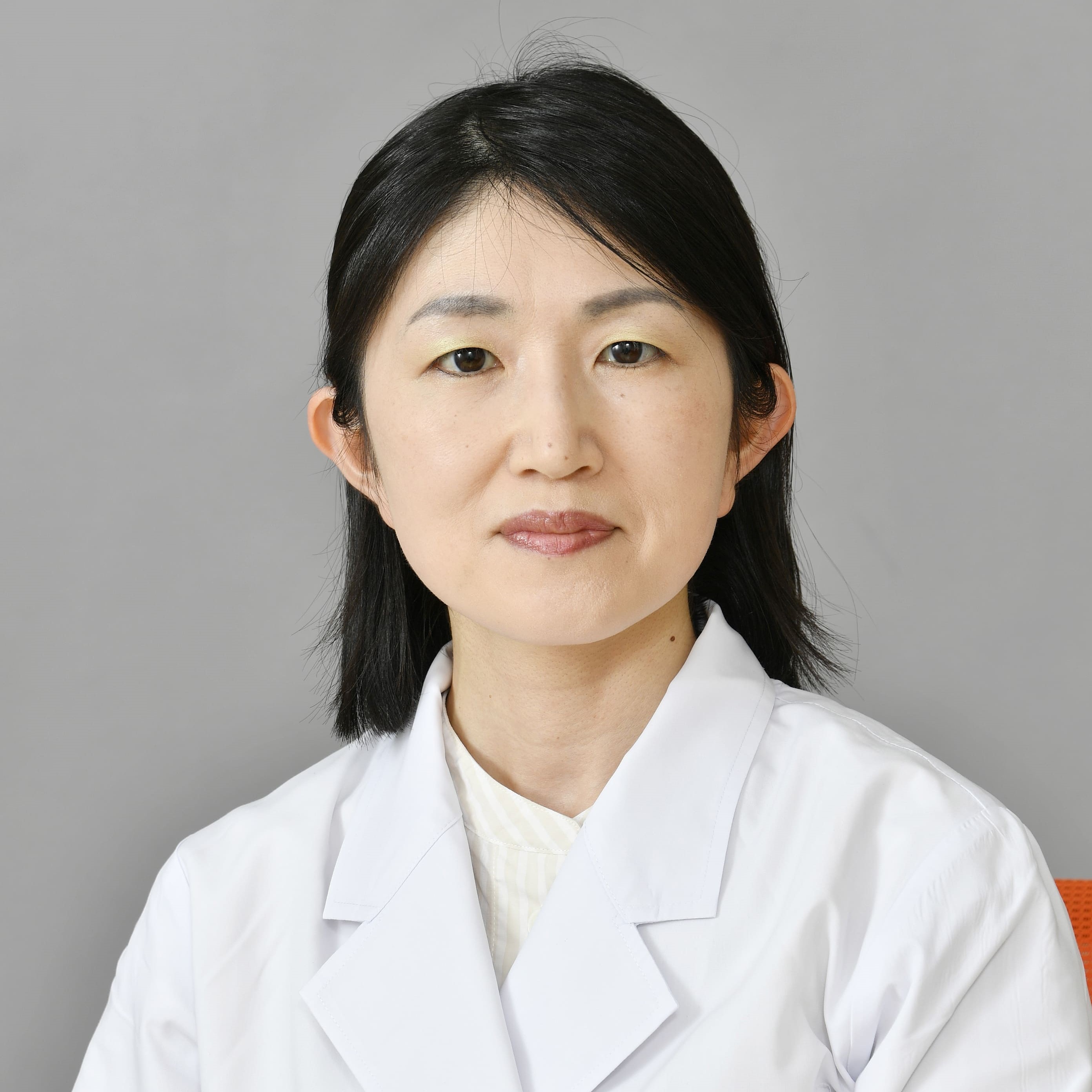
Name: Naoko Tomitani, BSc, PhD
Position: Assistant professor
Affiliation: Jichi Medical University School of Medicine, Division of Cardiovascular
Medicine
What is your role at your work?
After obtaining my medical degree, I have been working closely with Prof. K. Kario, managing collaborative research projects with companies—from planning to final reporting. While I am not a physician and do not directly treat patients, I leveraged my previous experience as a clinical research coordinator to facilitate smooth research operations. My responsibilities include coordinating multiple researchers, including those from external institutions and companies, preparing research materials, overseeing the proper conduct of clinical research, and ensuring all necessary preparations are in place. I find great fulfillment in being involved in every stage of research, from initiation to publication.
How did you get interested in your career path?
I never envisioned this career path when I graduated from university with a degree in agriculture. Initially, I worked as a clinical research coordinator but left the position upon getting married. Later, I joined Professor Kario’s lab as a research assistant while pursuing my medical degree under Prof. Kario’s guidance. My career has been shaped by various life events, including marriage, childbirth, and relocation, as well as the people and environments I encountered along the way.
What are you most proud of in your career or otherwise?
I take pride in having built a unique career path as a medical researcher despite not being a physician. In Japan, it is rare for non-physicians to be involved in medical research, and even rarer for someone to transition from a research assistant role to earning a medical degree. Being able to contribute to impactful research and support
interdisciplinary collaboration brings me immense satisfaction.
What important career challenges have you faced and how did you overcome them?
One of my biggest challenges was navigating my career through major life transitions, such as marriage, childbirth, and relocation. Rather than seeing these changes as obstacles, I embraced them as opportunities. By remaining flexible and open to new experiences, I was able to carve out a fulfilling career that I had never
magined during my university years.
What advice would you give your younger self?
I would tell my younger self not to be afraid of change and to view new environments as opportunities rather than setbacks. If you find something interesting, pursue it with passion and dedication. Even if your path is unconventional, persistence and curiosity can lead to unexpected and rewarding career opportunities.
Highlight your most significant research contributions and publications (3-5) - if relevant to
you.
My expertise is in BP monitoring. I have been engaged in collaborative research with companies, working on the development of new devices and studying blood pressure measurement methods. The following are my most significant contributions:
Have you had any significant career mentors?
Yes, Prof. Kario and Prof. Hoshide played a crucial role in shaping my career. I received their mentorship to obtaining a medical degree and actively contributing to research. Their mentorship has greatly influenced my professional growth. Prof. Kario is an invaluable mentor in my current role, providing guidance and support for my involvement in collaborative research projects.
How can we support the next generation of women scientists?