
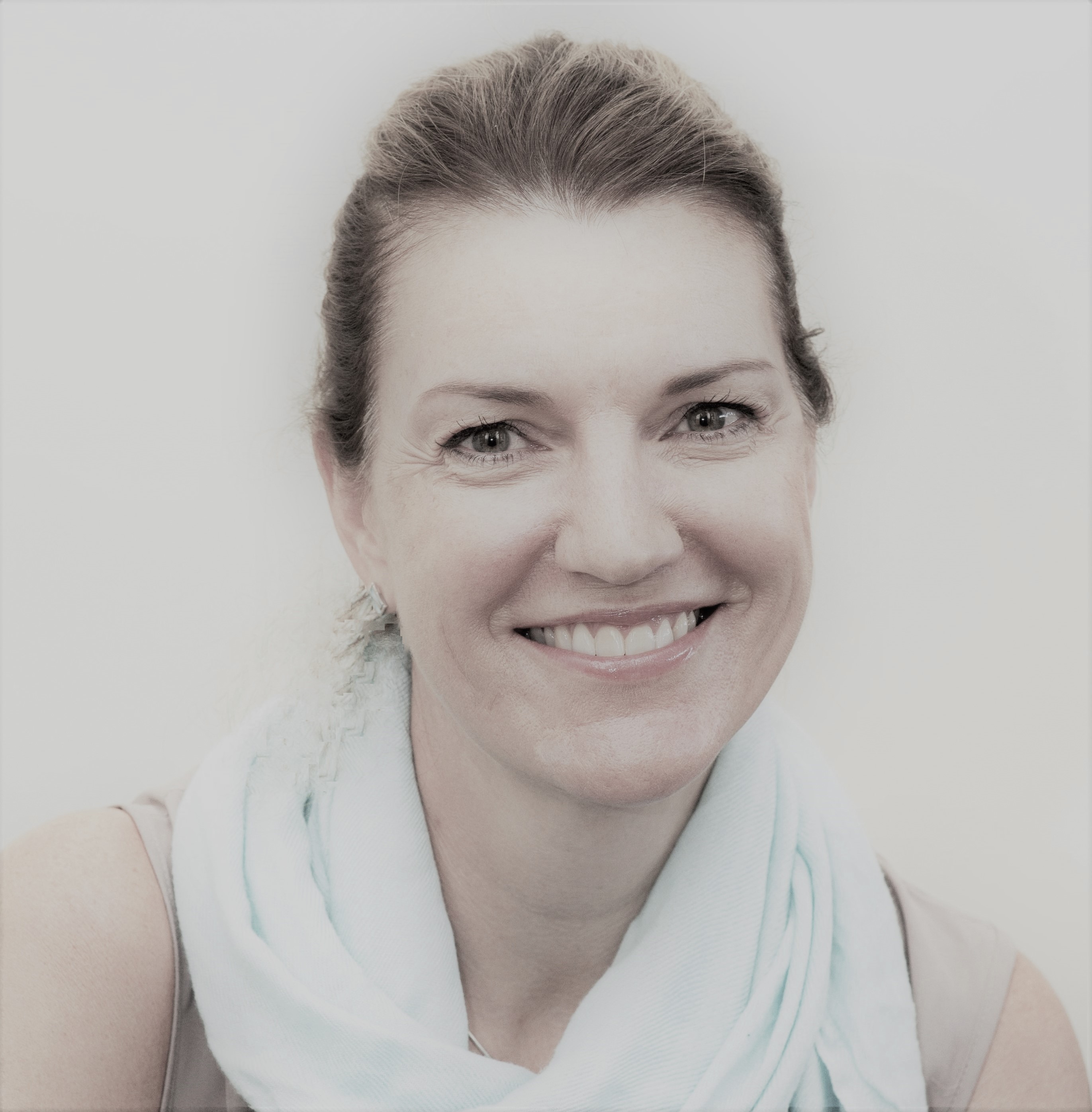
Name: Lisa Ware
Position: Reader
Affiliation: University of the Witwatersrand, South Africa
LinkedIn: https://www.linkedin.com/in/lisa-ware-3912119/
What is your role at your work?
Senior researcher investigating the drivers of hypertension and intergenerational transmission of cardiovascular health in an urban African setting.
How did you get interested in your career path?
I trained originally in nutrition and in health psychology in the UK but have always had a focus on cardiovascular disease prevention. In 2012, I travelled to South Africa for one year’s work experience and after discovering the major challenges with hypertension awareness, diagnosis and management here, I never left. Having the ability to make such a difference to a person’s life and health by bringing a blood pressure machine into their home, perhaps for the first time, made me realise how much impact can be made with sometimes simple interventions.
What are you most proud of in your career or otherwise?
In 2020, just as COVID arrived, we received funding to train young people in Soweto without jobs as community health workers. Five years on, our programme called WitsHealthHubb.org (Wits Health HUBB - Community Health Care) has trained almost 100 young people with most now in health sector jobs. These youth have delivered over 100,000 blood pressure screenings in community members homes, clinics and other locations. Our youth really have become advocates for health where they live.
What important career challenges have you faced and how did you overcome them?
Being soft-funded is always a challenge but I have been fortunate to have worked with some amazing scientists and mentors that have supported and guided me. I am fortunate to have now received a Wellcome Trust 8-year Career Development Award that will allow me to continue to grow and to support others, paying forward the great mentoring I received.
What advice would you give your younger self?
To find a balance between the long hours of work on the laptop and connecting with the communities and people who are at the centre of the work. I think this is important to stay motivated and grounded.
Also, small grants and pots of funding are always opportunities to build formative work and to support collaborations that can grow.
Highlight your most significant research contributions and publications (3-5) - if relevant to
you.
Evaluation of waist-to-height ratio to predict 5 year cardiometabolic risk in sub-Saharan African adults ScienceDirect
Environmental, Social, and Structural Constraints for Health Behavior: Perceptions of Young Urban Black Women During the Preconception Period—A Healthy Life Trajectories Initiative - ScienceDirect
Associations between dietary salt, potassium and blood pressure in South African adults: WHO SAGE Wave 2 Salt & Tobacco - ScienceDirect
e059910.full.pdf
Have you had any significant career mentors?
I have been incredibly fortunate to have had some amazing mentors. Prof Shane Norris and Prof Alta Schutte have been instrumental in my career development to date and remain great mentors, and friends. At Wits, there is also a mentoring programme called Great Leap Forward that supports the growth of academic entrepreneurs. Being successful in this programme also helped to launch the Wits Health Hubb where we have mentored so many more young people.
There are others who have given their time to mentor me including Prof Neil Poulter, Prof Heidi Van Royen, Prof Justine Davies, Prof Maureen Joffe and many more. I am grateful to each one for their insight, guidance and wisdom. Being able to connect with mentors in different global regions as well as different organisations (academic, NGOs and industry) I think has given me a broader perspective on my research. My husband of 20 years also continues to be my greatest supporter and most helpful critic.
How can we support the next generation of women scientists?
I think research for me often starts by asking people what they need. Let’s ask and consider how we can develop equitable, supportive systems that encourage young women to enter science careers and want to stay there.


