
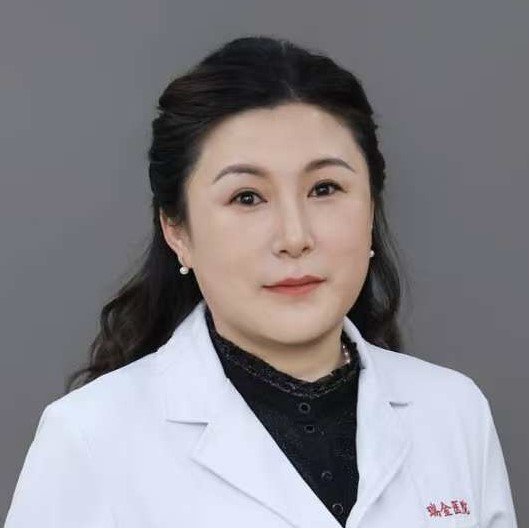
Name: Junli Zuo
Position: Director of Geriatric Department
Affiliation: Geriatric Medicine, Ruijin Hospital, Shanghai Jiaotong University School of Medicine, China
What is your role at your work?
I serve as the Chief Physician of the Geriatrics Department, where I lead clinical services, research initiatives, and academic training. My dual role involves treating complex hypertension and/or chronic disease such as CKD, 2-DM, CAD cases in elderly patients while driving translational research focused on age-related cardiovascular disorders and vascular aging.
How did you get interested in your career path?
I deal with uncontrolled hypertension in aging populations, particularly reducing organ damage and improving quality of life. This inspired me to specialize in hypertension, as I could bridge clinical care with research to develop targeted interventions for vascular aging.
What are you most proud of in your career or otherwise?
I have a good collaborative team, including GP doctors from 13 communities and international cooperation resulting in peer-reviewed publications and a recent book on vascular aging.
What important career challenges have you faced and how did you overcome them?
Balancing clinical leadership in a hospital environment with research demands has been a significant challenge. Building national and international collaborative teams. In addition, I have been continuously striving to find ways of giving opportunities for young clinicians to balance study and clinical practice to further their career prospects.
Challenges were overcome by insisting to be involved in clinically relevant research. Looking for means to improve efficiency in both clinical and research activities. Be open to establishing contacts with senior professional colleagues that can act as career and life mentors.
What advice would you give your younger self?
Focus on interdisciplinary collaboration much earlier in my career. Engage in hypertension projects with substantial depth of knowledge and clinical applications. Update old knowledge with current information and develop creative and critical thinking though extensive reading scientific papers.
Highlight your most significant research contributions and publications (3-5) - if relevant to
you.
Two key contributions include:
Have you had any significant career mentors?
Yes. The late Professor Michael O’Rourke and Professor Alberto Avolio, both pioneers in vascular aging, profoundly shaped my approach to research. They taught me to view vascular aging in terms of pulsatile haemodyanamics that can be assessed with many non-invasive measurements. Importantly, they guided me on how to develop independent paths to innovation and critical thinking and to balance clinical work with research.
How can we support the next generation of women scientists?
Three actionable steps:
1. Institutional Flexibility: Offer hybrid roles combining research/clinical work with family-friendly schedules.
2. Visibility: Nominate much more women for high-impact speaking roles and awards
3. Grant Equity: Provide seed funding specifically for women to be responsible for projects.


