
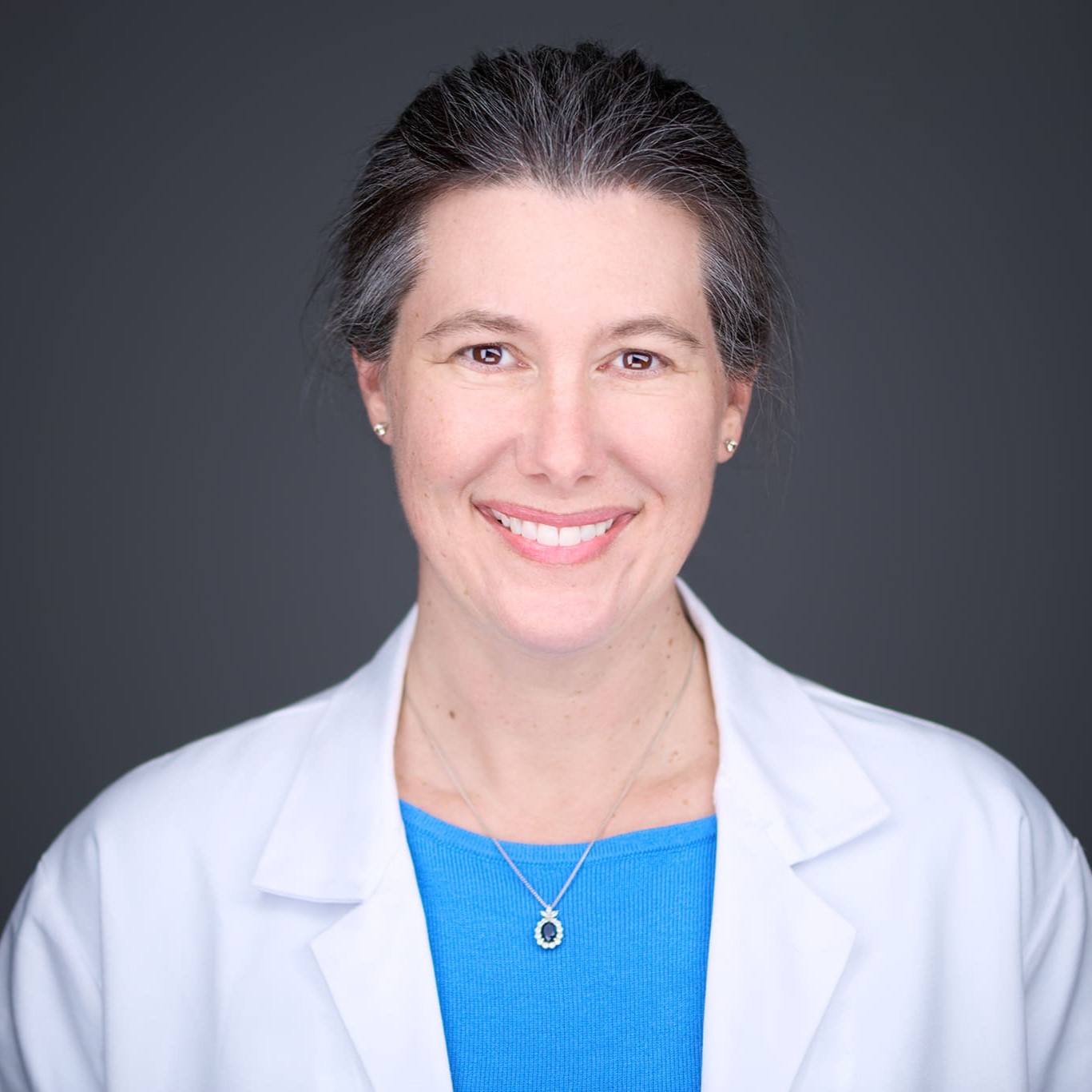
Name: Jennifer Cluett, MD
Position: Assistant Professor of Medicine
Affiliation: Harvard Medical School; Beth Israel Deaconess Medical School, Boston, MA, USA
LinkedIn: www.linkedin.com/in/jennifer-cluett-aa8133258
Twitter: @jenniferlcluett
What is your role at your work?
I serve as a primary care physician, hypertension specialist, and medical director of several hypertension-focused programs including our Comprehensive Hypertension Center and our Remote Hypertension Monitoring Program. I also teach and mentor students, residents, and junior faculty, and conduct implementation research to improve hypertension care and health equity.
How did you get interested in your career path?
My interest in pursuing a career in medicine began when my father suffered a heart attack when I was 18 years old. Later that same year, my uncle—whom I was very close to—died from AIDS early in the epidemic. Those experiences had a profound impact and led me toward medicine. In medical school and residency, I gravitated toward primary care because of the deep, long-term relationships it allows with patients. I became especially interested in hypertension because of its central role in cardiovascular disease prevention.
What are you most proud of in your career or otherwise?
I’m proud to have founded a multidisciplinary hypertension center that has grown into a nationally recognized model of quality and innovation, team-based care and a core training site for learners from multiple disciplines—thanks to the ongoing contributions of an exceptional group of colleagues. Equally meaningful has been the opportunity to mentor and support women and individuals from underrepresented backgrounds in medicine. Whether through formal programs or one-on-one relationships, helping others build confidence, find their voice, and navigate their own path in academic medicine has been one of the most fulfilling parts of my career. I’ve learned just as much if not more from my mentees and colleagues as they may have learned from me. Their perspectives, creativity, and resilience continually inspire me and make me a better clinician, educator, and leader.
What important career challenges have you faced and how did you overcome them?
Balancing work and personal life has been a constant challenge, especially while raising three children (including twins!) during key phases of my career. Like many women in medicine, I’ve also faced moments of imposter syndrome, particularly as I developed expertise in hypertension later in my career and without dedicated fellowship training or early research experience. Stepping into national leadership roles and building a reputation in a subspecialty as a mid-career primary care physician required confidence I didn’t always feel I had. Over time, I’ve learned to trust my experience, lean on supportive colleagues and mentors, and stay grounded in the impact of the work itself, particularly the clinical work. Caring for patients has always been a source of renewal; when I feel stuck in other aspects of my career, those moments of connection remind me why I chose this path.
What advice would you give your younger self?
Try not to be too discouraged by rejection or “failures.” They are a normal and necessary part of personal and academic growth. Each perceived setback offers a chance to refine your ideas, clarify your goals, and build resilience. If you don’t get an opportunity you really wanted, ask for feedback. Once you find out what you could do to become a stronger candidate, use this information to inform your next steps. Trust that persistence will pay off.
Highlight your most significant research contributions and publications (3-5) - if relevant to
you.
Have you had any significant career mentors?
I’ve had outstanding mentors in both clinical and research arenas. Dr. James Heffernan was my first clinical teacher and modeled compassionate, evidence-based care with humility and clarity—his example shaped the kind of physician I strive to be. Early mentorship through the Linde Fellowship, especially from Dr. Eileen Reynolds, also helped shape my leadership trajectory and fostered my commitment to innovation in primary care and hypertension. More recently, Dr. Stephen Juraschek has been an incredible collaborator and role model in hypertension research. Dr. Ken Mukamal has been an invaluable mentor who brings wisdom, perspective, and clarity—helping me navigate the intersection of clinical care, research, and teaching while prioritizing the next steps in my career. Countless others have touched my life and continue to help me navigate my career over the past 25 years.
How can we support the next generation of women scientists?
We need to create and celebrate flexible career paths, normalize nonlinear progress, and provide visible examples of successful women in varied roles. Offering structured mentorship, funding opportunities, and access to leadership roles are essential. I’ve found that embracing the mindset of “a rising tide lifts all boats” is a powerful way to approach mentorship and collaboration—when we uplift one another, we all benefit.

