
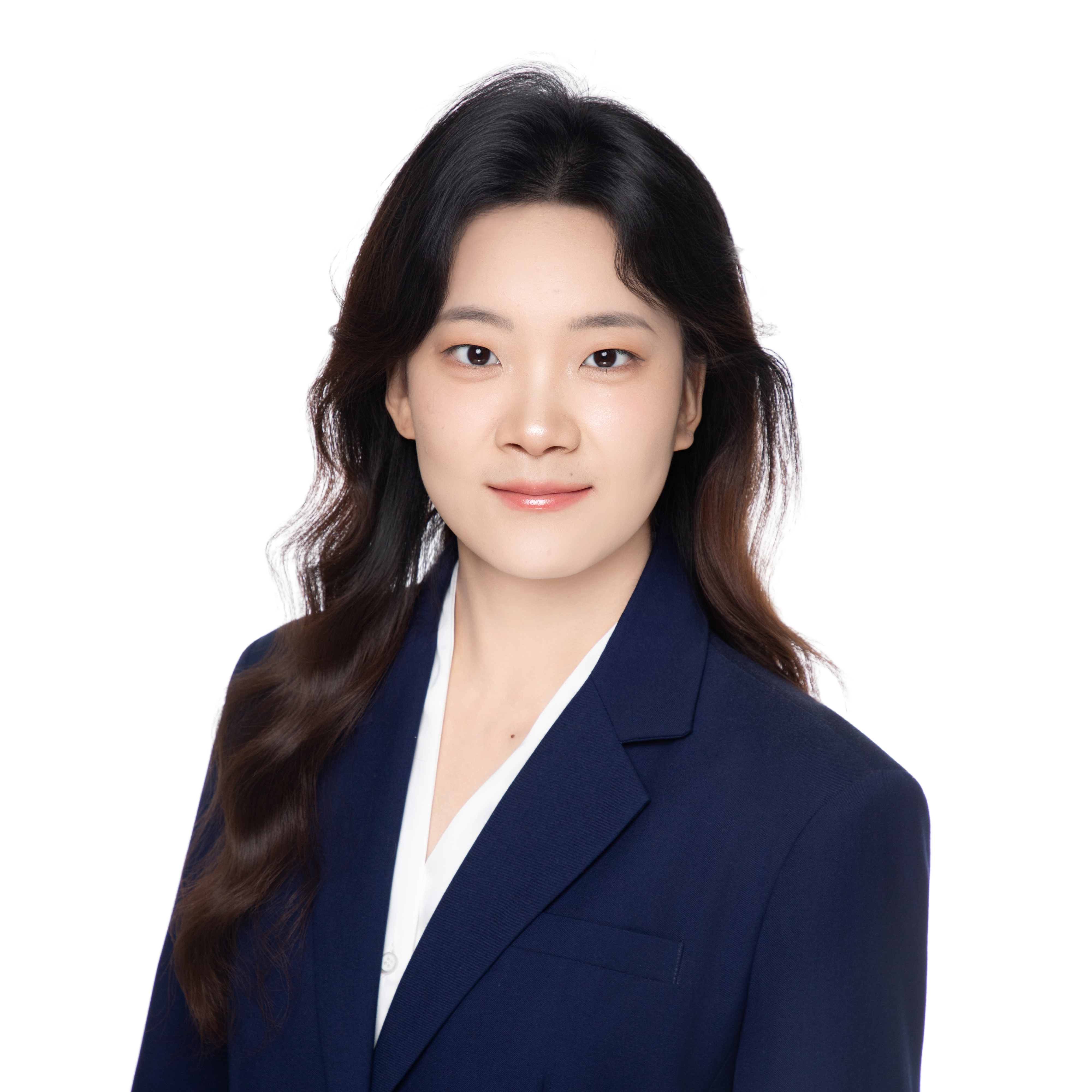
Name: Huanhuan Miao
Affiliation: Fu Wai Hospital, Chinese Academy of Medical Sciences and Peking Union Medical College,
Beijing, China
Tell us about yourself.
I am a PhD candidate in Internal Medicine at Peking Union Medical College, with a research focus on hypertension and heart failure. My journey in hypertension research started during my master’s studies, I engaged in research areas like blood pressure measurement, cardiovascular risk assessment for hypertensive patients, and blood pressure management in patients with heart failure. This experience not only built my research foundation but also fostered a strong passion for the hypertension field, driving me to deepen my expertise through my current doctoral studies.
What are your research interests?
My current research interests focus on blood pressure measurement and management in patients with heart failure (HF). HF patients often exhibit significant blood pressure variability, and hypertension itself remains a major etiological factor in hypertensive HF—making effective blood pressure lowering essential for treating this subgroup. Equally important, the widespread adoption of guideline-directed medical therapy (GDMT) for HF has led to a notable issue: a considerable number of patients develop hypotension, which limits the ability to titrate GDMT to optimal doses.
Addressing these gaps—from refining blood pressure measurement protocols to developing personalized management strategies—is what drives my research now.
What are you working on right now?
My main focus is a registry study of out-of-office BP monitoring in patients with HF.
We’re aiming to recruit a cohort of Chinese chronic HF patients, and will systematically collect their BP data—covering office readings, home BP, and 24-hour ambulatory BP—to capture a full picture of their BP profiles beyond the traditional clinic setting. Over an 18-month follow-up period, we’ll closely track key clinical endpoints. Its primary goal is to establish a comprehensive understanding of how out-of-office BP measurements correlate with HF prognosis specifically in the Chinese population.
What do you hope to achieve in the field of hypertension over the next 5 years?
With wearable devices now capable of continuously tracking real-time physiological data (such as ambulatory blood pressure, heart rate variability, and even activity levels), I aim to explore how to integrate this longitudinal, real-world data with machine learning algorithms. The goal is to move beyond static, clinic-based BP assessments toward personalized, predictive management: for example, developing ML models that can identify early warning signs of BP fluctuations and trigger timely interventions.
What challenges have you faced in your career to date?.
One of the most notable challenges I’ve faced so far is limited opportunities for in-depth exchange and collaboration with international peers in hypertension and heart failure research. The second challenge is translating preliminary research insights into practical, scalable solutions for clinical practice.
Which of your publications are you proudest of and why?
I’m particularly proud of two publications. The first explores the associations between the triglyceride-glucose (TyG) index and its related parameters with hypertension and cardiovascular risk, identifying TyG and related parameters as independent predictors—with TyG-WHR best at predicting high cardiovascular risk (doi: 10.1038/s41440-023-01502-9). This research was orally presented at the 32nd European Society of Hypertension Congress and received favorable reviews. The second is a review article that summarized the latest advancements in the epidemiology, diagnosis, and treatment of infective endocarditis (doi: 10.1016/j.tcm.2024.01.001). This research was published in Trends in Cardiovascular Medicine and received an Editorial commentary.
What is your favourite manuscript from a lab other than your own?
Arundel C, Lam PH, Gill GS, et al. Systolic Blood Pressure and Outcomes in Patients With Heart Failure With Reduced Ejection Fraction. J Am Coll Cardiol. 2019;73(24):3054-3063. doi:10.1016/j.jacc.2019.04.022
What are your passions outside of work?
I love various sports—badminton for its dynamic teamwork and combat sports for the focus and resilience they build. I also enjoy learning dance, from the grace of classical Chinese dance to the energetic rhythms of KPOP, which lets me express myself creatively. When time allows, I cherish traveling too: visiting different cities, savoring local cuisines, and immersing myself in diverse cultures—all of which help me recharge and gain fresh perspectives on life.